
Museveni Backs “Eye-for-an-Eye” Proportional Justice Bill Amid Surge in Violent Crime
2 min read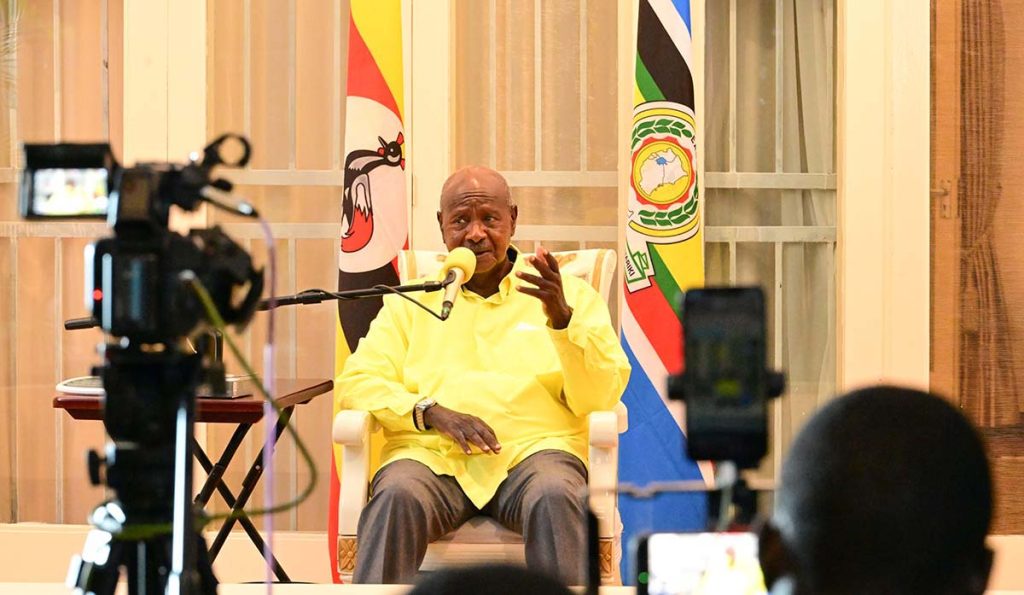
Kampala, Uganda — In a move that has intensified national debate on crime and punishment, President Yoweri Museveni has endorsed the principles underlying the newly proposed Proportional Justice Bill, 2026, which draws directly from the biblical “eye-for-an-eye” doctrine to combat Uganda’s rising violent crime wave.
The draft bill, initiated by 16-year-old youth advocate and entrepreneur Nyanzi Martin Luther, calls for punishments that precisely match the gravity of offenses.
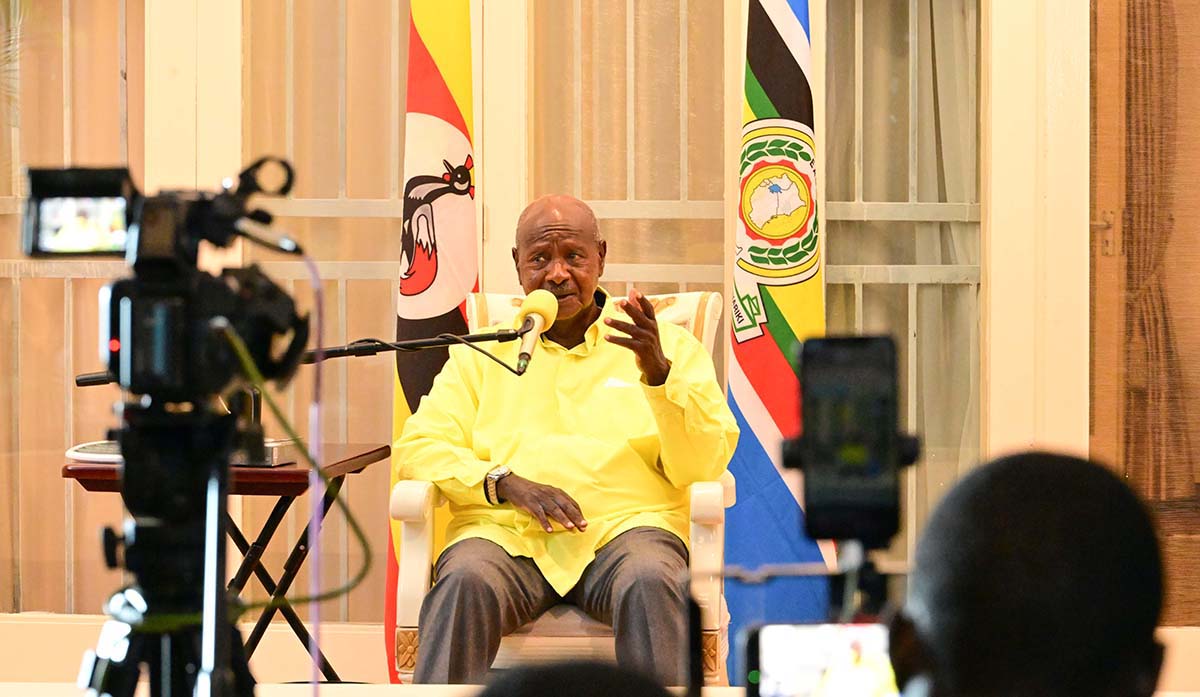
It gained traction following the horrific machete attack that claimed the lives of four toddlers at a nursery school in Ggaba, Kampala, last week.Addressing legal professionals recently, Museveni left no doubt about his position.
“People should know that if you take a life, your life will also be taken,” he said.
“You cannot kill people and you are left to move. That is not correct. Don’t confuse issues.
A killer is a killer.”The President’s latest remarks echo positions he has articulated for years, as consistently reported by Daily Monitor.
In statements dating back to 2016, 2018, and 2021, Museveni has repeatedly affirmed that the ruling National Resistance Movement (NRM) subscribes to the “eye-for-an-eye” principle.“
The NRM believes in an eye for an eye. If somebody kills your person, that one should also be killed,” he told lawyers according to Daily Monitor reports.
Museveni has often referenced the strict discipline enforced during the National Resistance Army (NRA) bush war, where killers were executed to preserve order, arguing that similar firmness is needed today to deter rampant violent crime.
Bill’s core proposals Nyanzi Martin Luther’s draft legislation seeks to introduce:
– Mandatory capital punishment for murder
– Proportionate maximum penalties for aggravated offenses such as rape and defilement
– Harsher escalating sentences for repeat offenders
– Greater emphasis on victim protection and deterrence
Supporters of the bill argue that Uganda’s current justice system is too lenient, slow, and disconnected from public expectations, leaving victims’ families disillusioned and failing to prevent repeat offenses.
However, the proposal has drawn strong opposition from human rights organizations, legal scholars, and some judicial voices.
Critics contend that embedding strict retributive justice could erode due process, heighten the risk of wrongful convictions and executions, and clash with Uganda’s constitutional protections as well as international human rights obligations.
They advocate for a justice system that balances punishment with rehabilitation, improved investigations, and addressing underlying socio-economic drivers of crime.
With Museveni’s explicit backing, the Proportional Justice Bill is poised to spark heated discussions in Parliament and across the country in the coming weeks.
The development comes as Uganda continues to wrestle with public safety concerns and questions about the direction of its legal framework.
Whether the bill advances in its current form or evolves through debate, it has already thrust the age-old tension between retributive justice and modern human rights principles into the national spotlight.