
Dr. Ndagishe Aliyi: Ugandan Educator, ICT Professional, and Emerging Public Policy Voice
2 min read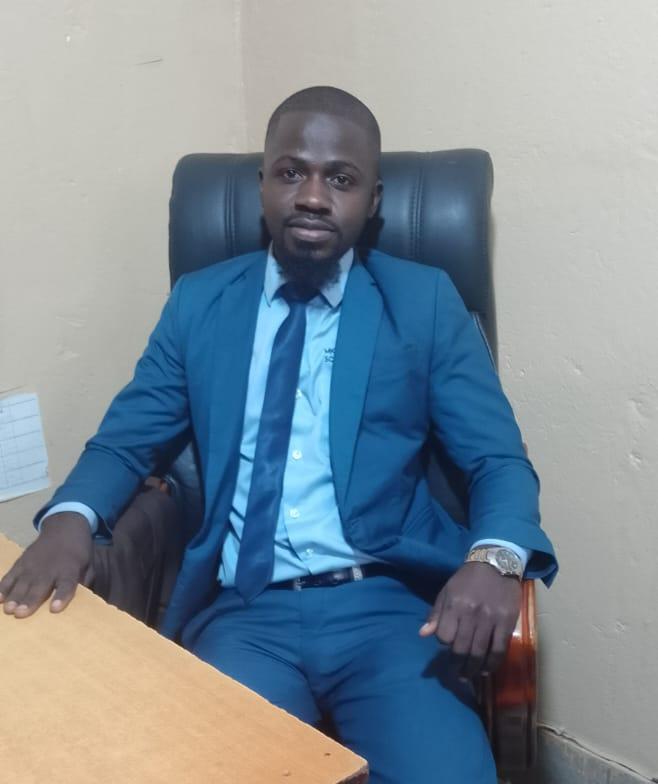
Ndagishe Aliyi is a 27-year-old Ugandan professional whose work spans education, information technology, healthcare administration, and public policy engagement.
He has gained attention for combining academic training with leadership roles across multiple sectors.
Early Life and Education
Aliyi began his education at Busolwe Primary School in Butaleja District before proceeding to Luma Eastern College for his secondary education.
There, he completed both the Uganda Certificate of Education (UCE) and Uganda Advanced Certificate of Education (UACE), specializing in a BCM/ICT combination—Business, Computer Studies, and Information and Communication Technology.
He later pursued higher education in diverse but related fields, building a multidisciplinary academic foundation:
Diploma in Computer Science – Metropolitan International University
Diploma in Primary Education – Kyambogo University
Bachelor’s Degree in Computer Science – Kampala International University
This academic path positioned him at the intersection of education systems and digital technology.
Professional Experience Aliyi currently serves as Dean of Studies at MK International School, where he is involved in academic coordination, curriculum oversight, and student performance management.
Alongside this, he holds an executive role as Chief Executive Officer of Ali Medical Hospital, where he is engaged in administrative and operational leadership within healthcare service delivery.
His career profile reflects an attempt to integrate education management, ICT systems, and institutional leadership.
Public Policy Engagement
In recent public discussions, Aliyi has contributed views on national policy issues, particularly in education, infrastructure, and governance.
He has raised concerns about provisions in the revised Building Act, arguing that certain requirements may increase construction costs and create barriers to affordable housing and development for ordinary citizens.
On matters related to the National Sovereignty Bill, he has also expressed critical views, questioning its practical relevance in light of ongoing challenges in domestic service delivery, particularly in healthcare access and infrastructure development.
Outlook At 27, Ndagishe Aliyi represents a young generation of Ugandans engaging in both professional leadership and public discourse.
His work reflects an emphasis on education development, digital skills, and governance reform, with continued involvement in institutional leadership and policy commentary.